Commercial EICR Testing: What Business Owners Need to Know
An Electrical Installation Condition Report helps a business understand the condition of its fixed electrical installation. It is a record of inspection and testing within an agreed scope, not a general certificate that every electrical risk has been removed. For offices, shops and other commercial premises, planning the inspection properly makes the findings more useful and the disruption easier to manage.

What does a commercial EICR cover?
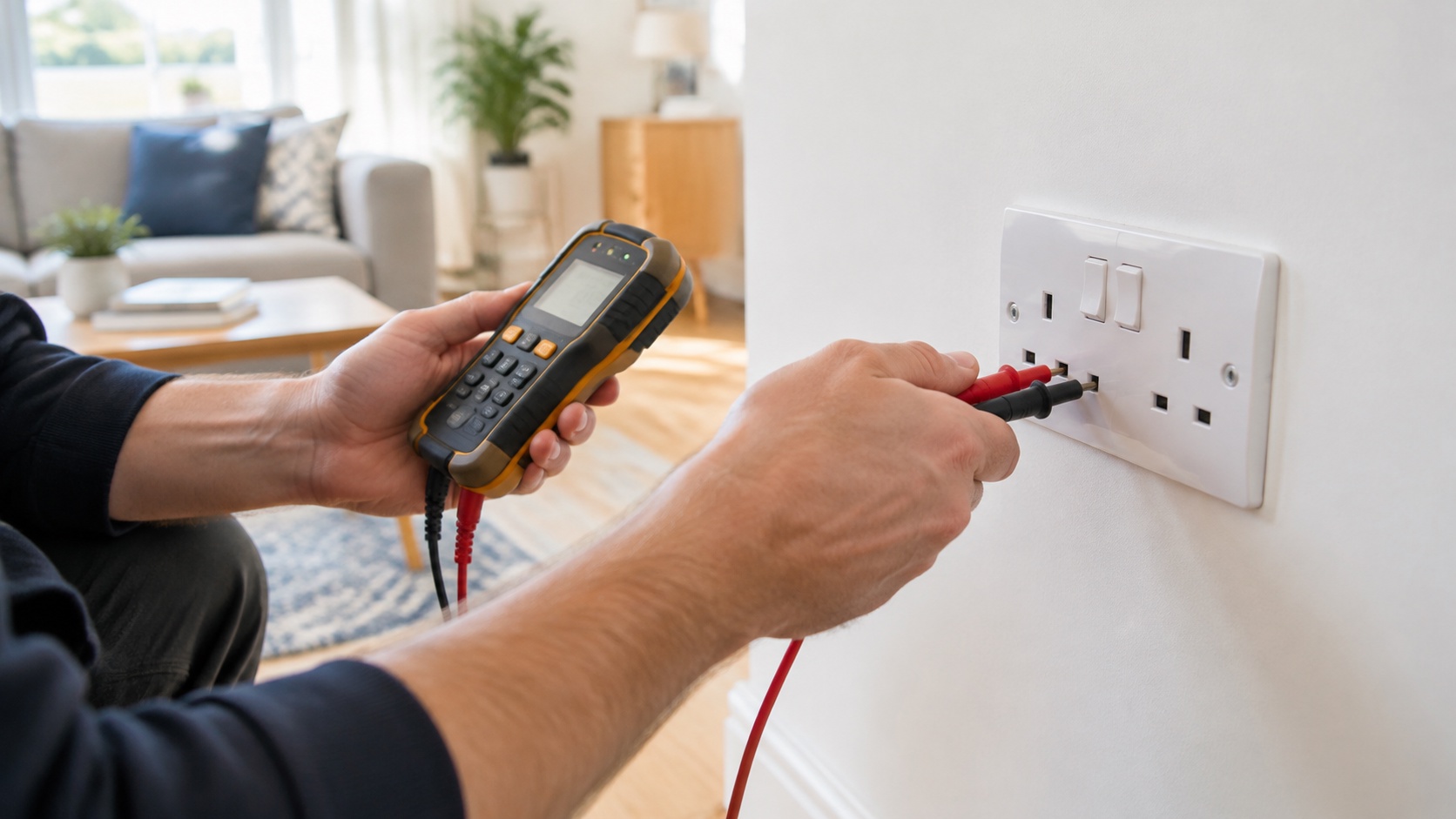
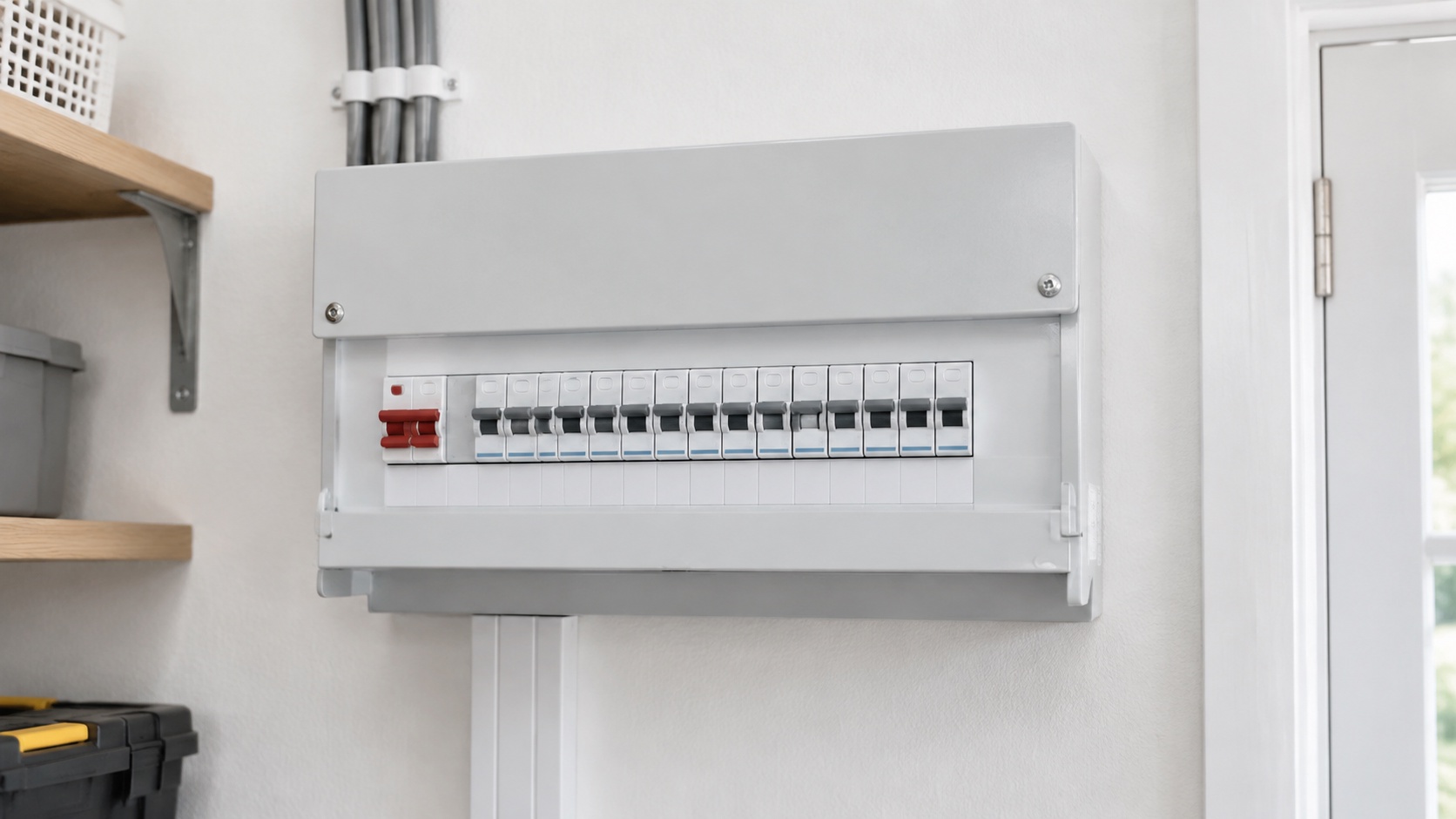
An EICR concerns fixed wiring and associated equipment such as distribution boards, circuits, sockets and relevant fixed electrical connections. The precise extent should be agreed before the work. A building with several units, shared supplies or areas controlled by a landlord needs particularly clear boundaries.
Portable appliance inspection and testing is a separate activity. Emergency lighting, fire alarms and specialist machinery may also need their own maintenance and testing arrangements. Do not assume that booking a fixed wiring report automatically covers all of these systems or replaces the manufacturer’s maintenance requirements.
Legal duties and recommended intervals are different
The Electricity at Work Regulations require electrical systems to be maintained, so far as reasonably practicable, to prevent danger. An EICR can form part of a maintenance strategy, but the law does not impose one universal EICR frequency on every commercial premises. A business needs a suitable approach to its actual risks.
The interval between inspections should reflect the installation, use, environment, maintenance and previous findings. The IET explains that initial intervals are recommended by the designer, with subsequent intervals recommended by the competent person inspecting the installation. This is not the same as a blanket legal rule.
You may hear five years described as a common planning benchmark for some commercial settings. Treat that as context, not a guarantee that your premises can wait five years or a universal statutory deadline. Insurers, leases, licensing conditions and particular activities may bring additional requirements. Check the conditions that apply to your business and the previous report.
Reasons to review the inspection plan sooner
A change of use, significant new equipment, repeated faults, water damage or poorly documented alterations can justify an earlier assessment. A dry, well-maintained office and a demanding industrial environment do not have identical risks. Evidence of overheating or exposed electrical parts needs urgent attention rather than a future diary reminder.
Tenancy changes can also expose gaps in records or uncertainty about responsibility. If you are taking over a Birmingham shop or Solihull office, request the existing report, remedial records and circuit information. The report date alone does not confirm that identified defects were actually resolved.
Agree access and shutdowns before the visit
Testing may require circuits to be isolated. Discuss which systems can be interrupted, when the premises are accessible and whether testing must happen outside trading hours. IT equipment, security systems, payment terminals, refrigeration and production processes can all need coordination.
A responsible person should help identify essential supplies and arrange safe shutdown procedures with the relevant teams. Do not expect the electrician to guess which socket supports a server or critical process. Restrictions on isolation or access can limit the inspection and should be agreed and recorded.
- Share previous EICRs, installation certificates and remedial records.
- Identify all distribution boards, controlled areas and shared supplies.
- List systems needing planned shutdown or specialist attendance.
- Confirm access to locked rooms, roof spaces and equipment areas.
- Agree the inspection scope, limitations, reporting and reinstatement checks.
Understand the observations and next steps
Reports use classification codes to distinguish findings. C1 means danger present and requires immediate action to make safe. C2 indicates potentially dangerous conditions requiring urgent remedial action. FI requires further investigation without delay. A report with C1, C2 or FI observations is generally unsatisfactory.
C3 identifies a recommended improvement. It does not, on its own, make the report unsatisfactory, but it should still be considered as part of maintenance planning. Ask for findings to be explained in terms of the affected circuits, risk and work needed, not just a list of codes.
Remedial work is normally a separate scope unless specifically included. Agree how urgent issues will be communicated, how quotations will be approved and which documentation will demonstrate completion. Keep both the original report and the subsequent evidence, rather than filing only a later invoice.
Keep responsibilities clear
Owners, landlords, tenants, employers and managing agents may each have responsibilities depending on control of the premises and equipment. A lease can allocate tasks, but do not assume it removes every statutory duty. Where responsibilities are unclear, obtain appropriate professional or legal advice and agree practical arrangements.
Assign someone to retain the records, track findings and review the next inspection date. Maintenance should continue between periodic reports. Staff reporting faults and suitable checks of equipment remain important; a satisfactory report describes the installation at the inspection, within its scope, rather than guaranteeing all future conditions.
Start with the premises, not a generic package
When contacting Michael, describe the business, postcode, approximate size and any operational restrictions. Say whether the premises have three-phase supplies, specialist equipment or shared landlord-controlled areas. These details help establish the right discussion and whether additional specialist input is needed.
Ask for a clear scope and assessed quote before booking. Commercial inspection work should match the premises and the competence needed for that installation. This guide explains the planning questions; it does not replace a site assessment or advice about the specific legal obligations affecting your business.
Common questions
Is an EICR legally required every five years for every business?
No universal five-year rule applies to every commercial premises. Maintenance duties, risk, previous findings and any lease, insurer or sector requirements determine the appropriate arrangements.
Does an EICR include PAT testing?
Not automatically. Fixed installation reporting and portable equipment inspection or testing are different activities. Agree both scopes if both are needed.
Can testing happen without interrupting power?
Some observations can be made while systems operate, but inspection and testing usually require planned isolation for parts of the work. Agree shutdowns and limitations before booking.
Further information
- HSE: maintaining electrical safety
- IET: inspection, testing and recommended intervals
- Electricity at Work Regulations 1989, regulation 4
General guidance, not a diagnosis of your installation. Electrical work and testing should be carried out by a suitably competent electrician.