Home Electrical Safety Checks: When Should You Book One?
Working lights and sockets do not prove that a home’s electrical installation is safe. Some defects are hidden, while other problems develop between inspections. Knowing the difference between everyday observations, fault finding and an Electrical Installation Condition Report helps you book the right service without assuming every concern requires a full rewire.
Visual observations and an EICR have different purposes
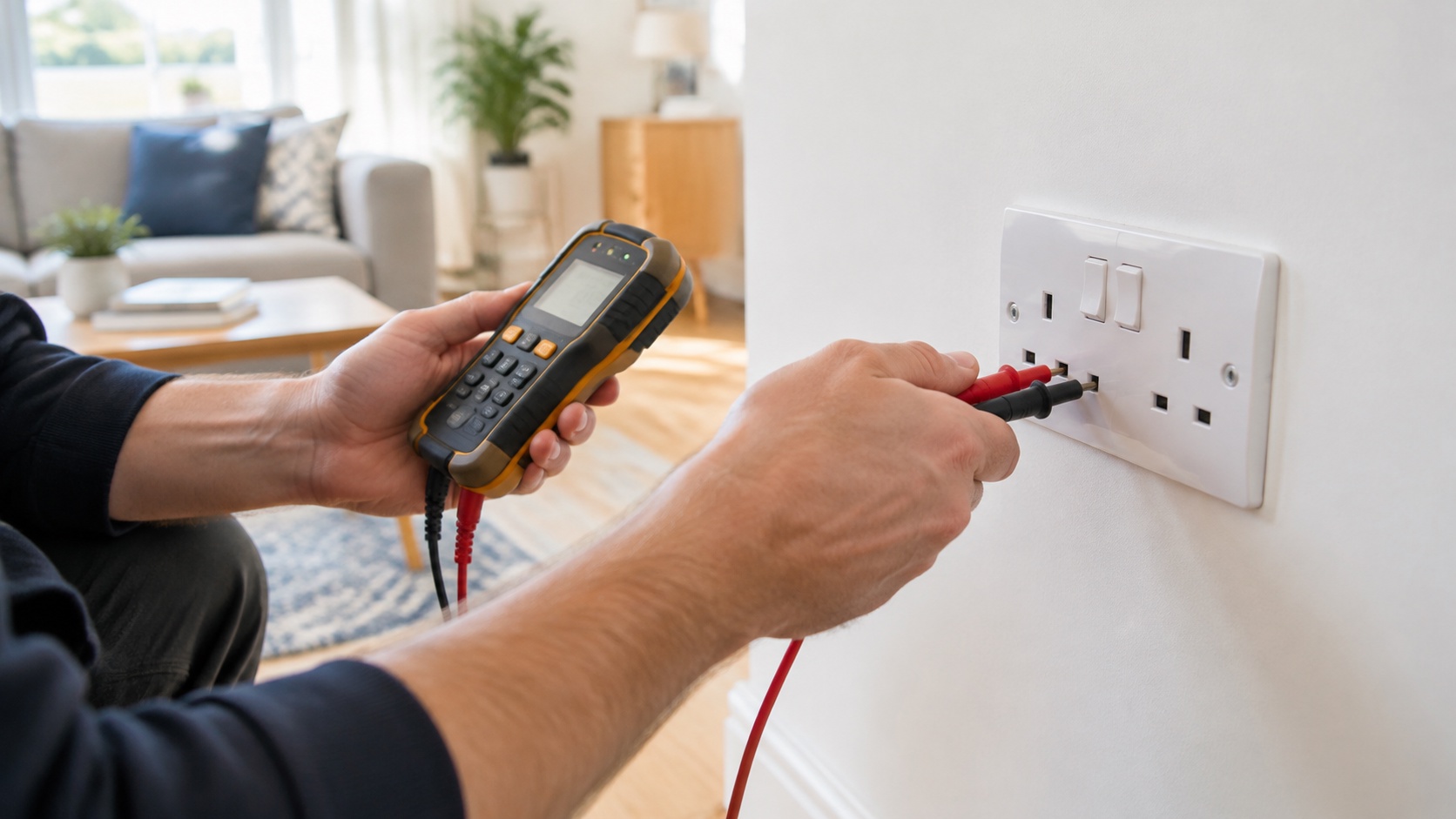
You may notice damaged accessories, scorch marks, broken leads or unusual noises during everyday use. Reporting these signs promptly is useful. A routine visual observation, however, cannot assess hidden wiring, test protective devices properly or establish the condition of circuits behind walls and floors.
An EICR is a professional inspection and testing report for the fixed installation, within an agreed extent and any recorded limitations. It records observations and a conclusion about the installation’s condition. It is not a product warranty, a portable appliance test or a promise that no future fault will occur.
If you already have a specific fault, explain it when booking. Targeted fault finding may be the immediate priority. The electrician can advise whether a wider condition report is appropriate once any urgent hazard has been addressed.
Book a check when buying or taking on an unfamiliar home
A standard building survey is not a substitute for an EICR. Electrical Safety First advises buyers to check for a recent report and arrange an electrical inspection where needed. Request existing electrical certificates and remedial records, but do not assume the seller’s reassurance or new decoration confirms the wiring condition.
For an older Solihull or Birmingham home, previous renovations can mean a mixture of installations from different periods. A recently fitted kitchen may coexist with older circuits elsewhere. Tell the electrician what documents you have, which areas were altered and whether any rooms or outbuildings are inaccessible.
Use a condition-based inspection interval
There is not one interval that suits every household. Type of installation, use, maintenance and the previous report all matter. The inspecting electrician should recommend when the next periodic inspection is due, and you should retain that recommendation with the report.
A ten-year interval is commonly discussed for owner-occupied homes, but it is a recommendation for appropriate circumstances, not a guarantee that faults can be ignored until then. Deterioration, alterations, damage or a change in use may justify an earlier assessment. Separate rules can apply to rented homes; landlords should check current official requirements for their property and tenancy rather than apply owner-occupier guidance.
Do not wait for a routine appointment if warning signs appear
Burning smells, scorching, crackling, electric shocks or damaged equipment need prompt attention. Avoid touching or using suspect equipment and contact a qualified electrician. If there is fire, smoke or immediate danger, leave and call 999. A routine report appointment is not an emergency response service.
Repeated tripping is also worth investigating. It may be linked to an appliance, moisture or an installation problem. Do not repeatedly reset a device that trips immediately, bypass protection or attempt repairs inside electrical equipment. Note the circumstances from a safe position so you can explain them to the electrician.
Consider an assessment before major changes
A new kitchen, extension, outbuilding or EV charger can change demands on the installation. Before committing to equipment or finishes, ask whether the existing circuits, supply and protection are suitable. The necessary assessment depends on the project; a full EICR is not automatically the starting point for every small alteration.
If water has entered electrical equipment, the property has suffered fire damage or you have discovered undocumented DIY work, seek advice before assuming normal use can continue. Hidden damage may not be obvious from the outside. Electrical work should be carried out by competent professionals, not attempted using online instructions.
Prepare for a useful inspection
Tell the electrician about known faults, previous work and anything affecting access or power interruption. Testing may require circuits to be isolated. Discuss home working, alarms, refrigeration and medical equipment in advance so the visit can be planned appropriately.
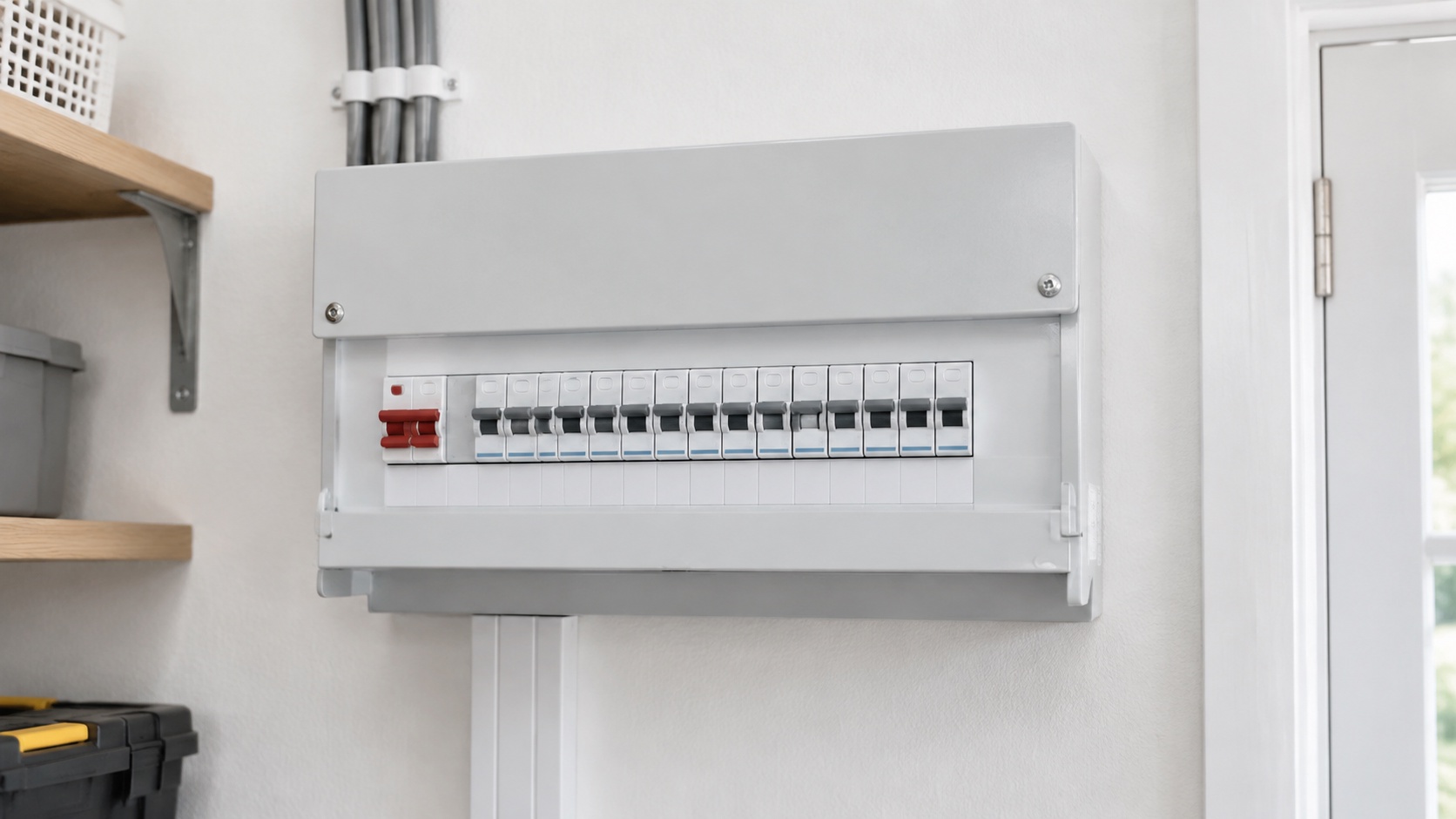
Keep available certificates and earlier reports together. Clear reasonable access to the consumer unit and agreed inspection areas, without removing electrical covers or moving unsafe equipment. The scope and limitations should be clear before the appointment, particularly where concealed areas cannot be inspected.
- Property type, postcode and whether it is occupied, rented or being purchased.
- Known symptoms and when they occur.
- Any existing EICR, installation certificates or remedial paperwork.
- Recent renovations, planned work and outbuildings.
- Access restrictions and equipment affected by a power interruption.
Understand what happens after the report
Ask for the observations to be explained rather than judging the result by the word satisfactory alone. C1 indicates danger present, C2 potentially dangerous conditions and FI further investigation without delay. These findings need the appropriate action. C3 identifies a recommended improvement and does not alone make a report unsatisfactory.
A report may lead to targeted repairs, improvements or further investigation; it does not automatically mean a new consumer unit or complete rewire. Ask which work is urgent, what it addresses and how completion will be documented. Keep the report and remedial evidence together for future maintenance.
A practical next step
If the installation’s history is unclear or you have noticed a change, message Michael with the property details and concern. Describe the problem rather than trying to diagnose it. A safe photograph from outside the equipment may help, but nobody should remove covers for a quote.
Professional testing and everyday awareness complement each other. Continue reporting damage and unusual behaviour between appointments, and review the inspection plan when circumstances change. This general guide cannot confirm the safety of a particular home; that requires an appropriate assessment of the actual installation.
Common questions
Can a visual check replace an EICR?
No. Visual observations can identify obvious warning signs, but an EICR includes professional inspection and testing of the fixed installation within its agreed scope.
Do I need a full report for one faulty socket?
Not always. Explain the specific fault so the electrician can advise on immediate investigation and whether a wider condition assessment is sensible.
Does a satisfactory EICR guarantee future safety?
No. It records the assessed condition at the time, subject to scope and limitations. Maintenance, changes and new faults still need attention.
Further information
- Electrical Safety First: home buyers and electrical inspections
- IET: how inspection intervals are determined
- Electrical Safety First: competent electrical work
General guidance, not a diagnosis of your installation. Electrical work and testing should be carried out by a suitably competent electrician.