How Much Does It Cost to Install an EV Charger at Home?
A home EV charger quote covers more than the box on your wall. The charger, route from your electrical supply, protective equipment and condition of the existing installation all affect the work. Two neighbours choosing the same charger can need quite different installations. An assessment is the best way to get a meaningful price, rather than relying on a headline figure that assumes a straightforward job.
What should an installation quote include?
A useful quote separates what is included from what is assumed. It should identify the charger model, agreed location, electrical work, testing and handover. Check whether the installer supplies the charger or installs one you have bought, and who deals with product faults or warranty questions afterwards.
Ask about exclusions before comparing prices. A package may allow only a limited cable length or assume a suitable existing consumer unit. Groundworks, repairs, network-related work or making good walls may be separate. A lower total is not necessarily better value if important items have been left outside the scope.
- Charger model, output and cable arrangement: tethered or untethered.
- Cable route, approximate length and any excavation or surface repairs.
- Protective devices, any consumer unit work and supply-related checks.
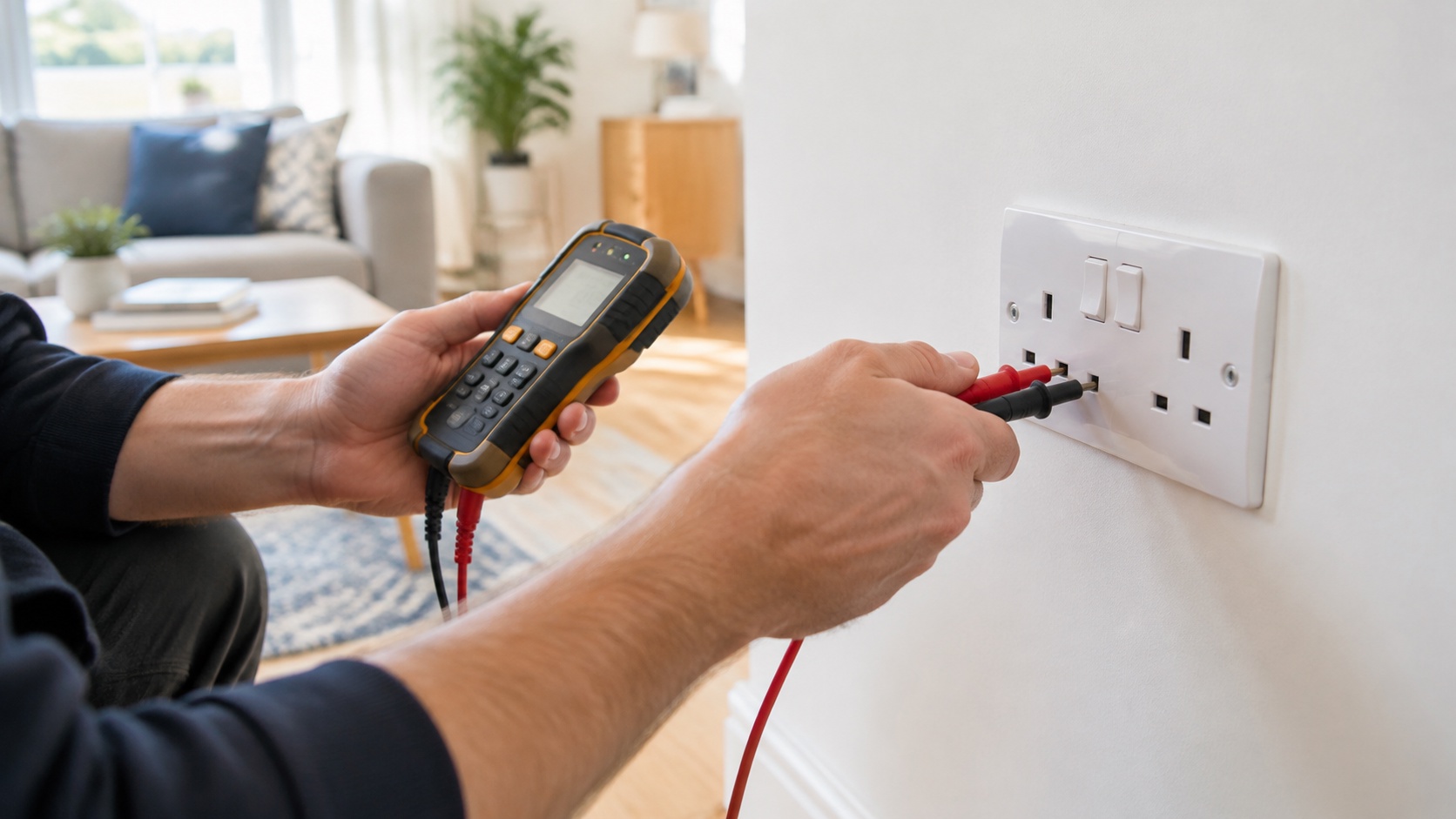
- Testing, certification, commissioning and a demonstration of the controls.
- VAT treatment, warranty responsibilities and any stated exclusions.
The cable route often makes the biggest difference
A driveway beside the supply position can be simpler to serve than a detached garage at the end of a garden. Longer routes need more materials and labour; concealed routes, difficult access and crossing landscaped areas add complexity. The electrician also needs to choose a cable suitable for the installation, not simply the shortest visible route.
For a terrace or property with parking away from the house, ownership and permissions matter. A charging cable must not create a trip hazard across a pavement. Do not assume a private installation can cross public land or a shared access. Discuss the parking arrangement first, including any landlord, freeholder or local authority permissions that may be needed.
Your existing electrical supply needs assessing
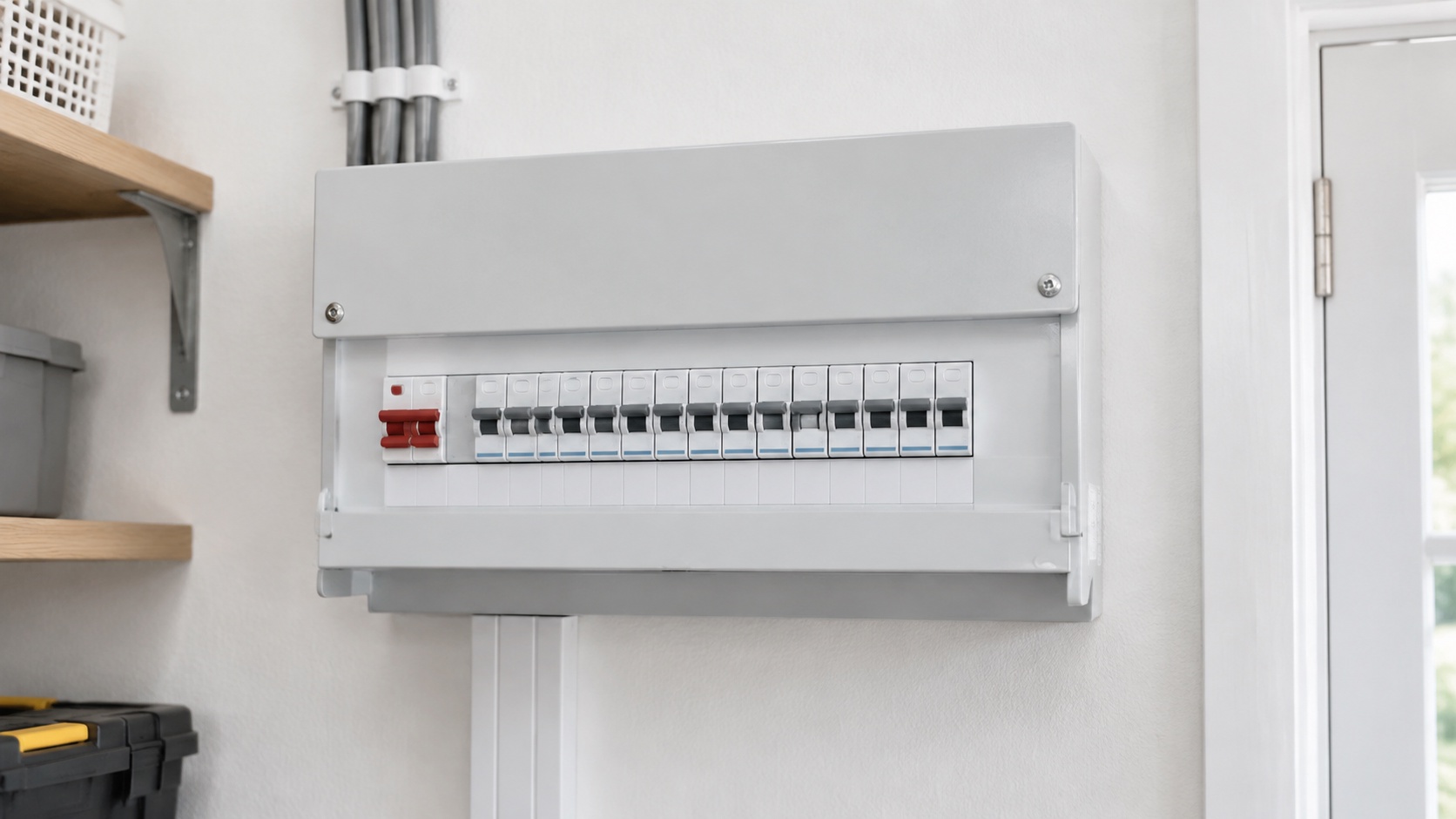
An EV charger adds a sustained electrical load. The installer should assess the available supply, earthing arrangements, main protective equipment and other significant loads. Electric heating, cooking equipment or another charger can affect the design. A spare space in the fuse board does not by itself prove the installation is ready.
Load management can help some homes avoid exceeding an agreed supply limit, but it is not a substitute for a proper assessment. The installer may need to liaise with the distribution network operator about notification, approval or supply changes. Ask who handles that process and whether any associated cost or lead time is included.
Choose smart features that suit how you charge
Most new private charge points sold for home or workplace use in Great Britain fall within the smart charge point regulations. These concern smart functionality and device requirements, with defined exceptions. Choose a compliant product and ask how scheduling, connectivity and security updates work in practice.
Think about your vehicle, tariff and overnight parking habits rather than choosing solely by advertised speed. A typical single-phase home installation and a vehicle’s onboard charger may limit the useful charging rate. Solar integration, tariff scheduling and load balancing can be helpful, but compatibility and any ongoing subscriptions need checking before purchase.
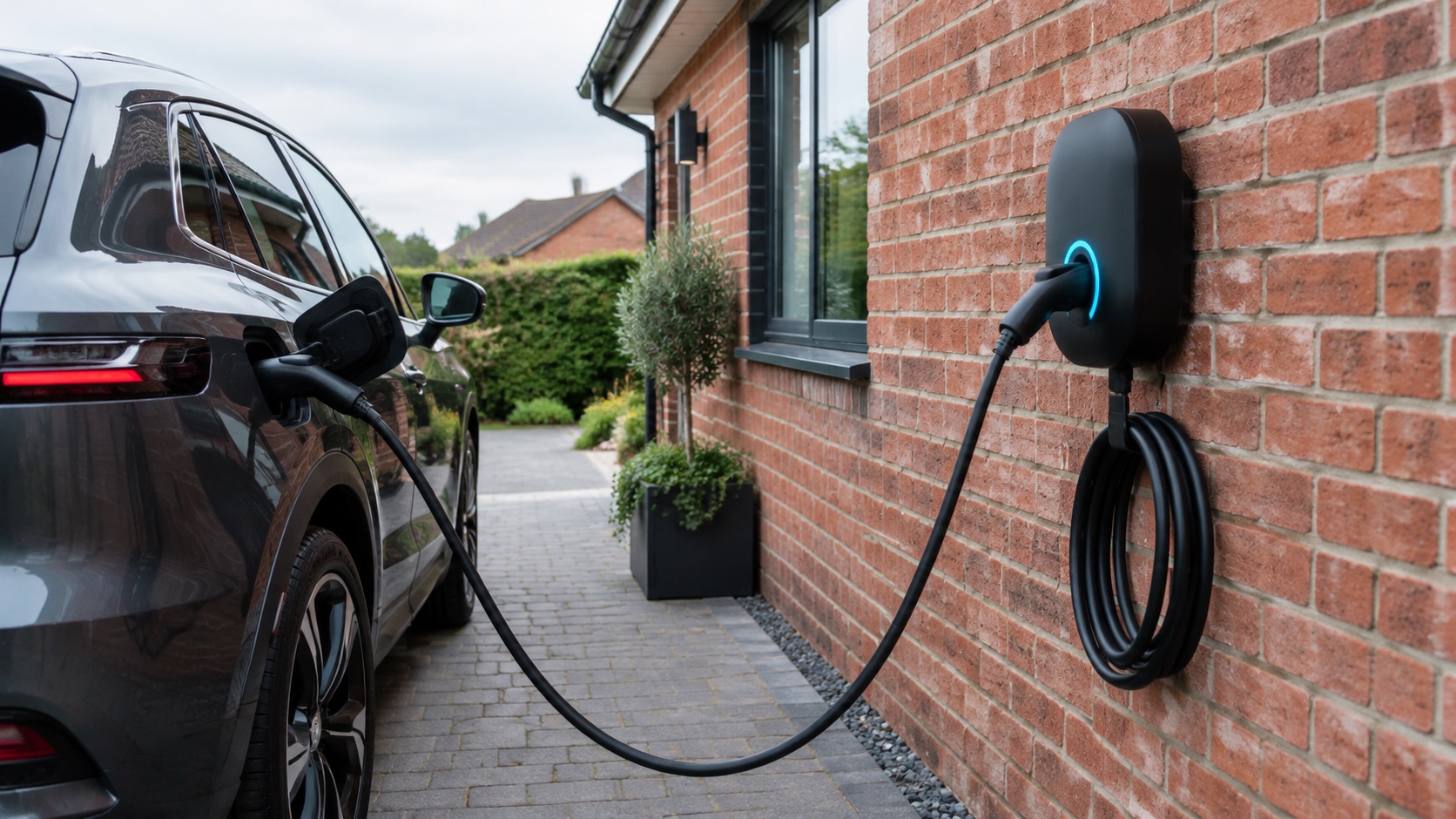
Ask what happens if your Wi-Fi fails or you change energy supplier. You should understand the everyday controls, any app requirements and the support available after installation. Tethered chargers offer a permanently attached lead; untethered models require a separate lead. Cable reach and safe storage are practical decisions worth making at the survey.
Prepare for a survey in Solihull or Birmingham
A few clear details help Michael understand the project before arranging the next step. Share your postcode, vehicle model, parking position and preferred charger location. Existing reports or installation certificates can also be useful. Photographs should be taken only from a safe position, without removing covers or touching equipment.
Do not buy a charger on the assumption that every model suits every property. Confirm the proposed product and installation arrangement first. If you are planning building work, mention it early: coordinating cable routes before surfaces are finished may avoid unnecessary disruption.
- Is the parking space yours, shared or rented?
- Where are the meter and consumer unit, and how far is the parking space?
- Are there other large electrical loads, solar panels or plans for a second EV?
- Would you prefer a fitted lead or a socketed charger?
- Are there access restrictions or permissions to resolve?
Get an assessed price, not an assumed one
Solihull Sparks does not publish an invented standard installation price here. The exact quote depends on the assessment and the agreed work. Likewise, grant schemes and eligibility can change; check current official guidance rather than assuming a discount applies to your home.
When you receive a quote, compare equivalent scopes and ask what could change the total. Agree the location, disruption, likely power interruption and handover arrangements. A clear plan is more useful than a low headline price that leaves you unsure what has actually been included.
Common questions
Can any house have a home charger?
Many can, but parking, permissions, supply capacity and the proposed electrical design must be assessed. Remote or shared parking can need a different approach.
Do I automatically need a new fuse board?
No. The electrician should assess the existing consumer unit and proposed protection. Any required changes should be explained in the quote.
Will smart charging guarantee cheaper charging?
No. Savings depend on your tariff, charging times, vehicle and product compatibility. Check the actual tariff terms and any subscription charges.
Further information
General guidance, not a diagnosis of your installation. Electrical work and testing should be carried out by a suitably competent electrician.